
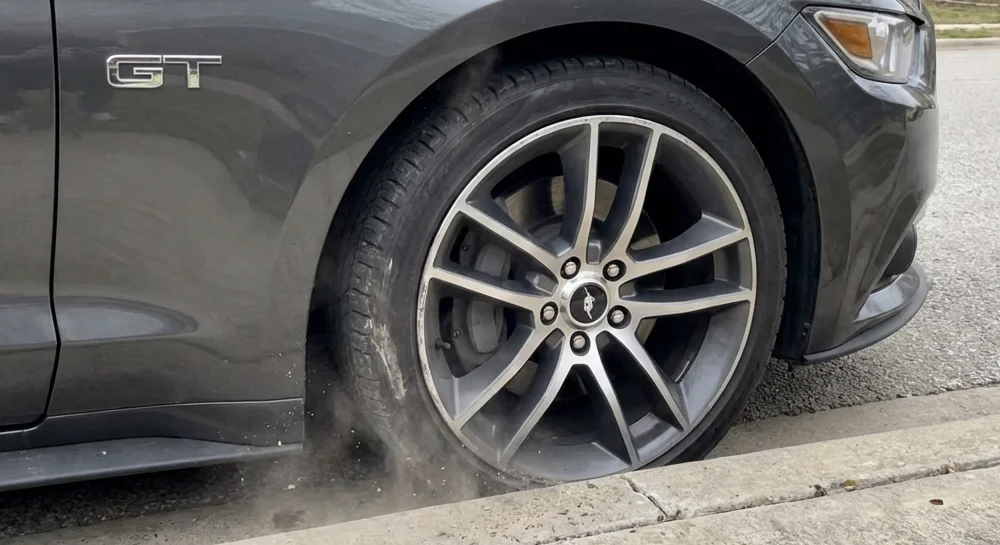
Picture this: you're about to park up when you hear that dreaded crunch noise. You've scraped the pavement and run out to see the damage – you've scuffed the wheel!
It can be frustrating to have invested in smart alloy wheels only to get scuffs and cracks further down the line, but it's all part of driving – these will naturally happen over the course of time.
However, the sort of care your wheels need totally depends on the severity of the damage. In this comprehensive guide, we've broken down some of the most frequently asked questions about alloy wheel damage and repair options available across the UK.
Can Alloy Wheels Be Repaired?
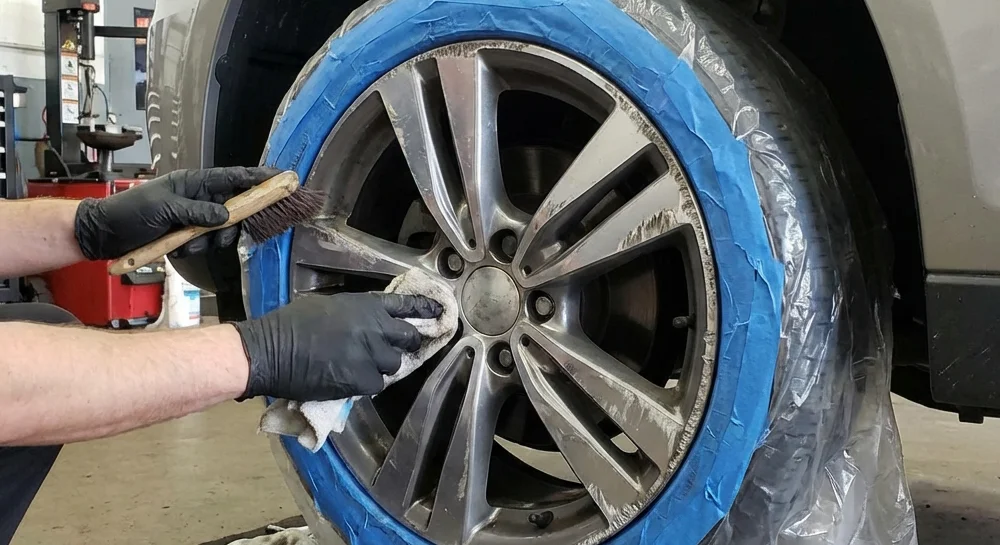
Yes, they can. Typically, the process for alloy wheel repair begins by cleaning the damaged area of any dirt or grime that may have accumulated since the damage occurred.
This will allow the repair service mechanic to see the severity of the issue. There is usually no need to remove the wheel from the car, but a specialist will mask off the tyre to protect it during the repairs process.
Professional alloy wheel repair services in the UK can address most types of damage, from minor scuffs to more serious structural issues. The repair process varies depending on the type and extent of damage, but most repairs can be completed within a few hours.
Can Alloy Wheel Scratches and Scuffs Be Repaired?
Yes, scuffed alloy wheels can be restored to their pristine condition. The wheel is usually sanded down to remove the scratch or scuff. After this, the engineer will usually apply a primer and colour-coded paint to make them look shiny and new again.
This process usually only takes a few hours and is one of the most common alloy wheel repairs performed across the UK. The repair process includes:
- Thorough cleaning and assessment of the damage
- Sanding the affected area to create a smooth surface
- Application of a specialist primer
- Colour-matching and painting
- Clear lacquer application for protection
- Polishing to restore the original finish
Most minor to moderate scratches and scuffs can be repaired without replacing the entire wheel, saving you significant money compared to purchasing new alloys.
Can a Bent Alloy Wheel Be Repaired?
Yes, it can be. It's worth looking at getting this fixed ASAP as you could be putting both yourself and the vehicle at risk. You'll probably feel a bit of shakiness while driving as your tyre is making uneven contact with the road.
You may also find issues with tyre pressure on the affected wheel. Alloy wheel straightening is a specialised service that uses hydraulic equipment to carefully reshape bent wheels.
Signs Your Alloy Wheel Is Bent
- Vibration in the steering wheel, especially at higher speeds
- Vehicle pulling to one side
- Uneven or accelerated tyre wear
- Difficulty maintaining tyre pressure
- Visible distortion of the wheel rim
Repairs specialists will straighten the wheels out for you using precision equipment. Getting this sorted quickly can help to avoid any further issues, such as cracks and buckling as a result of the bend.
Can Alloy Wheel Cracks and Dents Be Repaired?
Yes, fillers can be used to repair many cracks in the wheel. Cracks are most commonly caused by bumping a kerb, going over potholes or uneven roads, which in turn can affect how well your car functions.
Not to worry, though – this is something that can be fixed easily without needing to replace the wheel in most cases. However, it's important to note that severe structural cracks may require wheel replacement for safety reasons.
Understanding Crack Severity
Although more serious cracks and dents can be identified visibly, if you're worried about minor damages getting worse, there are crack detection sprays available that will cover the affected area in dye so that you can see if any damage has been caused.
It's worth spotting these cracks early on. If they get worse, they can start to leak air, which can be a much more serious problem. This may even escalate into a complete blowout, so it's important to seek help early from a qualified alloy wheel specialist.
My Alloy Wheels Are Leaking Air: What Do I Do?
There could be a few reasons why your wheels are leaking air. The most common reason is corrosion around the 'bed', which is the inner rim where the tyre sits. This means that air is constantly being released from the gap, meaning you will have to constantly pump up the tyre like you would with a slow puncture.
Common Causes of Air Leaks
- Corrosion on the wheel bead seat
- Damage to the valve stem
- Porosity in older alloy wheels
- Cracks in the wheel structure
- Poor seal between tyre and rim
Speaking of slow punctures, this could be the cause too. It's worth ruling this out before deciding that there is an issue with the alloy work. Your wheels could also be porous if they are very old and have seen quite a bit of damage already.
The Repair Process
If the damage is due to bed corrosion, an expert will remove the tyre and inspect the inside 'lips' – this will show signs of damage. They will then grind out the damage and apply a primer. The tyre is then refitted and reinflated.
Should I Get a Full Alloy Wheel Refurbishment?
It's completely up to you, but if your alloy wheels are seriously damaged or showing multiple types of wear, then it might be worth considering. A full alloy wheel refurbishment involves:
- Complete stripping of existing paint and coatings
- Repair of any damage (scratches, scuffs, dents)
- Application of primer and base coat
- Colour-matched painting
- Multiple layers of clear lacquer
- Diamond cutting (if applicable)
- Final polishing and finishing
This comprehensive process restores your wheels to showroom condition and can be more cost-effective than replacing them entirely. Most UK refurbishment services offer a warranty on their work, giving you peace of mind.
How Can I Prevent Further Alloy Wheel Damage?
Simply put, look after your vehicle! We recommend washing your wheels regularly to avoid dirt and grime that could cause further damage, but remember to wait five days after getting your wheels refurbished, or you could actually damage the new work that has been done.
Best Practices for Alloy Wheel Care
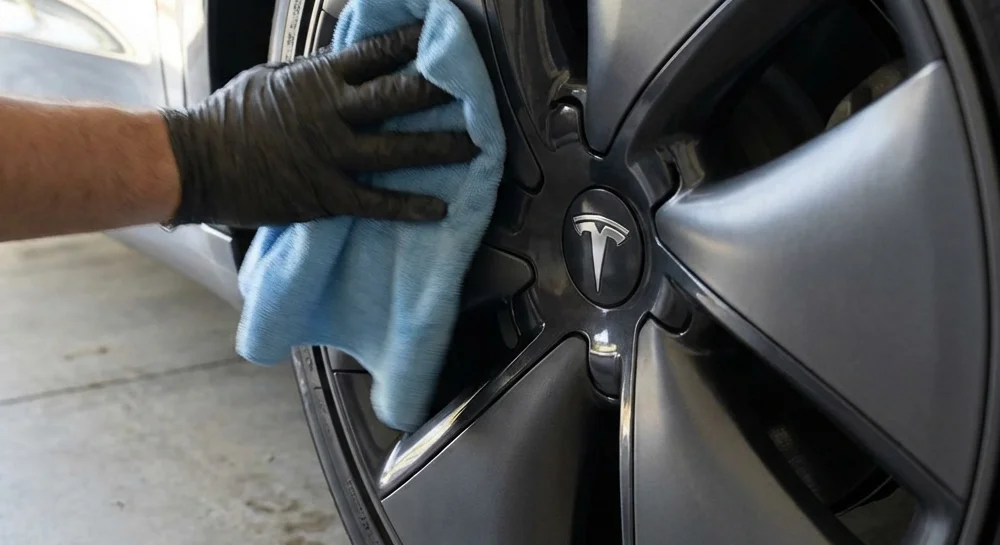
Regular washing will avoid a buildup of brake dust, which can damage the surface of the rim. If left for too long, you may have to end up paying for another refurbishment. Make sure to use a soft-bristled wheel brush to avoid swirl and scratch marks. Microfiber towels can give a nice finish to the wheels too.
Maintenance Tips
- Wash wheels weekly with pH-neutral wheel cleaner
- Avoid harsh chemicals that can damage the finish
- Use dedicated wheel brushes and microfiber cloths
- Apply wheel wax or sealant for added protection
- Check tyre pressures regularly
- Be mindful of kerbs when parking
- Address minor damage quickly before it worsens
- Have wheels inspected annually by professionals
Finding Alloy Wheel Repair Services Near You
When looking for alloy wheel repair services in your area, consider the following factors:
- Experience and qualifications of technicians
- Range of services offered (repairs, refurbishment, straightening)
- Customer reviews and testimonials
- Warranty or guarantee on work performed
- Mobile service availability
- Turnaround time
- Pricing transparency
Many reputable alloy wheel specialists across the UK offer mobile alloy wheel repair services, coming to your home or workplace for added convenience.
Cost Considerations for Alloy Wheel Repairs
The cost of alloy wheel repairs in the UK varies depending on several factors:
Factors Affecting Repair Costs
- Type of damage (scratch, crack, bend, corrosion)
- Severity of damage
- Wheel size and design complexity
- Finish type (painted, diamond cut, powder coated)
- Number of wheels requiring repair
- Location and service provider
Generally, minor scuff repairs are the most affordable, while full refurbishments or structural repairs cost more. However, even extensive repairs are typically much cheaper than purchasing new alloy wheels.
Frequently Asked Questions
How long does alloy wheel repair take?
Most alloy wheel repairs can be completed within a few hours, depending on the type and severity of damage. Simple scuff repairs typically take 2-3 hours, while more complex repairs like straightening or full refurbishment may take 4-8 hours. Many UK specialists offer same-day service, and some provide mobile repairs at your home or workplace for added convenience.
Is it safe to drive with damaged alloy wheels?
It depends on the type of damage. Minor cosmetic scratches don't affect safety, but structural damage like cracks, bends, or air leaks can be dangerous. Bent wheels cause vibration and uneven tyre wear, while cracks can lead to sudden air loss or blowouts. If you notice vibration, pulling, or air pressure issues, have your wheels inspected by a professional immediately.
Can diamond cut alloy wheels be repaired?
Yes, diamond cut alloy wheels can be repaired, but the process is more specialised than standard alloy repairs. The wheel must be machined on a CNC lathe to restore the precision-cut finish. Not all repair shops offer this service, so it's important to find a specialist with the proper equipment. The repair process removes a thin layer of alloy, and wheels can typically be refinished 2-3 times before replacement is needed.
Will repaired alloy wheels look as good as new?
When performed by experienced professionals using quality materials, alloy wheel repairs should restore your wheels to near-original or showroom condition. Professional services use colour-matching technology to ensure perfect paint matches, and the finish should be indistinguishable from factory wheels. Most reputable UK specialists offer warranties on their work, guaranteeing the quality and durability of repairs.
How can I prevent alloy wheel damage?
Prevent alloy wheel damage by being mindful of kerbs when parking, avoiding potholes where possible, maintaining correct tyre pressures, and washing wheels regularly with pH-neutral cleaners. Use soft-bristled brushes to prevent scratches, apply wheel sealant for protection, and address minor damage quickly before it worsens. Regular inspections and prompt repairs can significantly extend the life of your alloy wheels.